.png)


Customer acquisition costs have climbed over 200% in the past decade. Retaining an existing customer is 5-7x cheaper than acquiring a new one. Yet most brands still pour the bulk of their budgets into acquisition funnels while treating retention as an afterthought.
The brands that are winning — in fintech, food delivery, e-commerce, and gaming — have flipped this equation. They’re investing in loyalty not as a punch-card program, but as a product experience.
Here are five strategies we’re seeing work across hundreds of consumer apps — backed by data.
TL;DR:
- Streaks and milestones drive 40% journey completion rates — 2x the industry average for drip campaigns
- Gamification campaigns see 2-3x higher CTRs than standard in-app messages when the reward matches the context
- Personalized, behavior-triggered nudges lift engagement by 35-40% over generic blast campaigns
- Multi-channel journeys (push + in-app + email) hit 40% completion vs ~12% for standalone push
- In-app surveys see 40-55% completion — 3-4x higher than email surveys — and fuel zero-party data strategies
1. Streaks and Milestones: The Habit Engine
Duolingo’s streak mechanic is responsible for an estimated 4.5x increase in daily active users since its introduction. But streaks aren’t just for language learning — they’ve become the engagement backbone of apps across categories.
Why They Work
Streaks tap into loss aversion. Missing a streak feels like losing something you’ve already earned. Milestones, on the other hand, reward cumulative progress — “complete 3 purchases this month” or “watch 5 tutorials to unlock a badge.”
What the Data Says
Across consumer apps using streak and milestone mechanics, journey completion rates average around 40% — meaning nearly half of users who enter a multi-step engagement flow complete it. That’s a massive improvement over the industry average of sub-20% for standard drip campaigns.
How Brands Use It
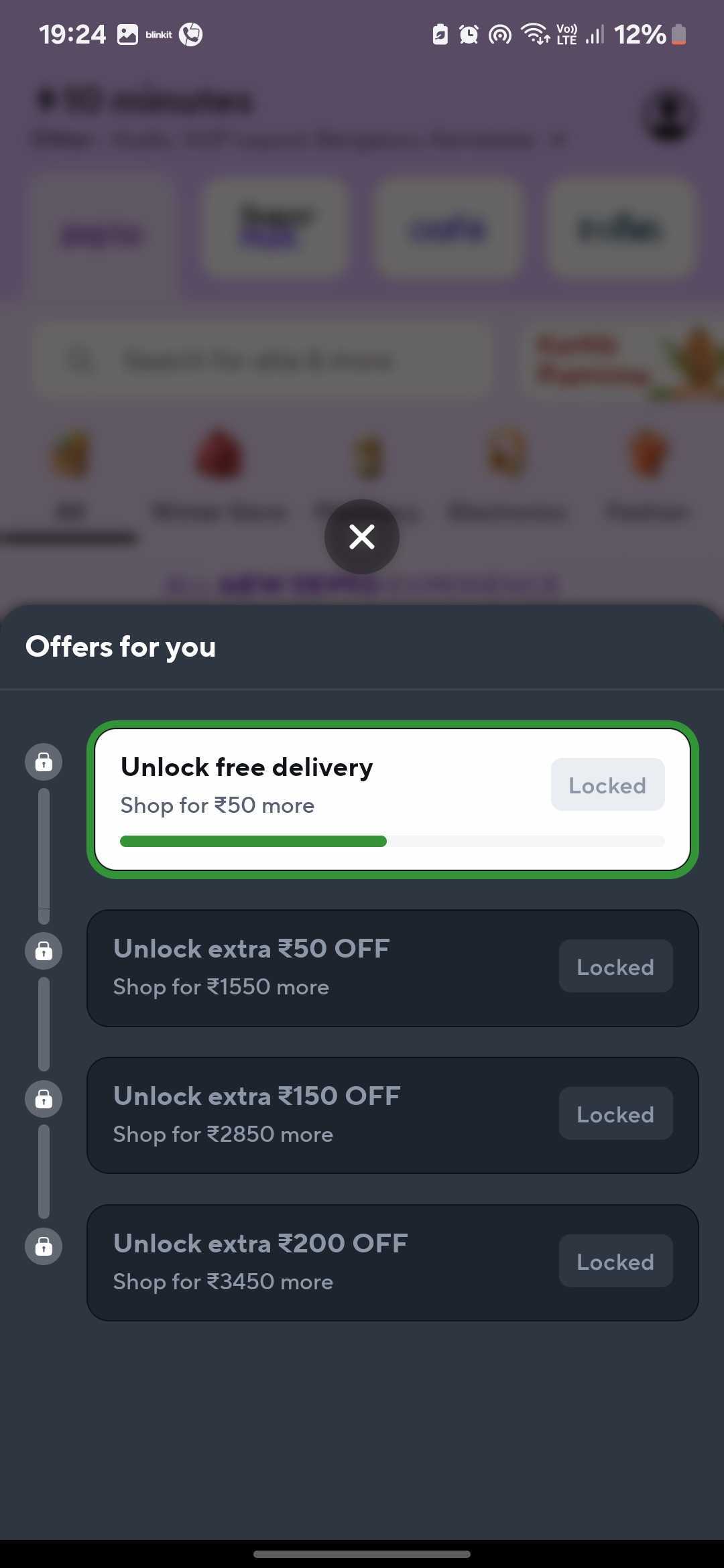
- Zepto uses streak-based engagement to drive daily order habits during sale events, turning one-time buyers into repeat customers.
- CRED built its entire value proposition around rewarding consistent financial behavior — paying credit card bills on time unlocks rewards, creating a virtuous cycle.

- Starbucks runs milestone-based “Star Challenges” that drive 2-3x higher purchase frequency among enrolled members.

The takeaway: Streaks work best when tied to an action the user already wants to do. Milestones work best for longer-term goals. Use both together for maximum retention impact.
2. Gamification Beyond Gimmicks
Gamification has a credibility problem. Too many brands slapped a spin-the-wheel on their homepage and called it a strategy. But when done right, gamification drives measurable engagement lifts.
What the Data Says
Across apps deploying gamified reward mechanics — scratch cards, spin wheels, treasure chests — we’ve tracked over 6.9 million reward interactions from 1.5 million unique users in a single quarter. The reveal rate (users who actively claimed their reward after winning) sits at ~40%, which signals genuine engagement rather than passive participation.
Gamification campaigns consistently see click-through rates that exceed standard in-app campaigns, often by 2-3x. The key differentiator? Anticipation. The uncertain outcome creates a dopamine loop that flat discount banners simply can’t match.
How Brands Use It
- Gameskraft integrates gamification natively into its gaming products, using reward tiers and skill-based challenges to sustain player engagement beyond the initial novelty period.
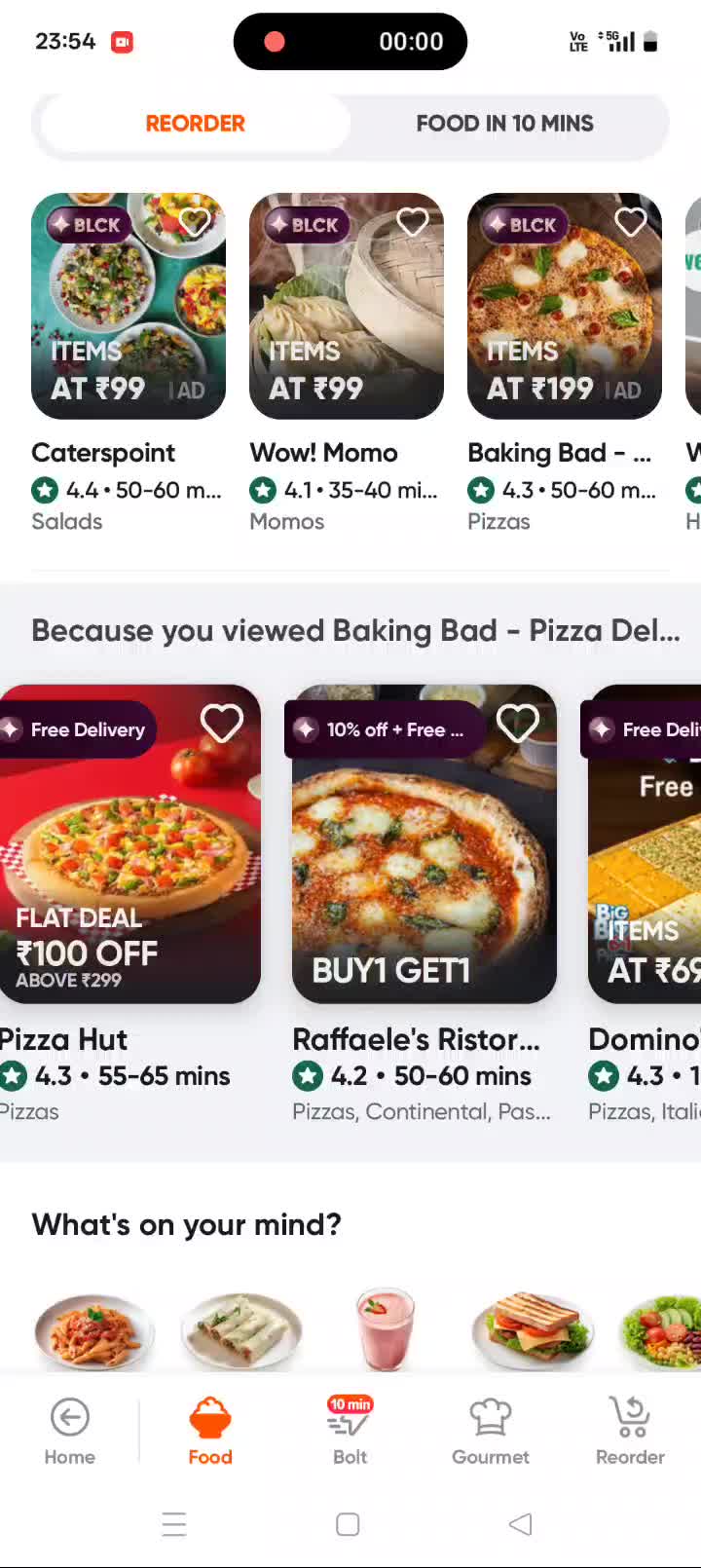
- Swiggy deploys gamified delivery tracking and reward mechanics during peak ordering windows to increase order frequency.
- Nike Run Club uses streak-based challenges with tiered rewards — combining gamification with milestones for compounding engagement.

The takeaway: Gamification works when the reward matches the effort and the mechanic matches the context. A scratch card after a purchase feels earned. A spin-the-wheel on app open feels random. Context is everything.
3. Hyper-Personalized Nudges (Not Blast Campaigns)
The era of “Dear Valued Customer” is dead. Research from McKinsey shows 71% of consumers expect personalized interactions, and 76% get frustrated when they don’t receive them. But personalization in loyalty isn’t just about using someone’s name — it’s about showing the right message at the right moment.
What the Data Says
Personalized in-app messages — those using user attributes like plan type, recent activity, or purchase history — see 15-25% higher engagement than generic campaigns. When combined with behavioral triggers (showing a message after a specific user action rather than at a fixed time), engagement lifts can reach 35-40%.
How Brands Use It
- Shaadi.com segments users by relationship stage and sends contextual nudges — profile completion prompts for new users, match recommendations for active users, and re-engagement stories for dormant ones.
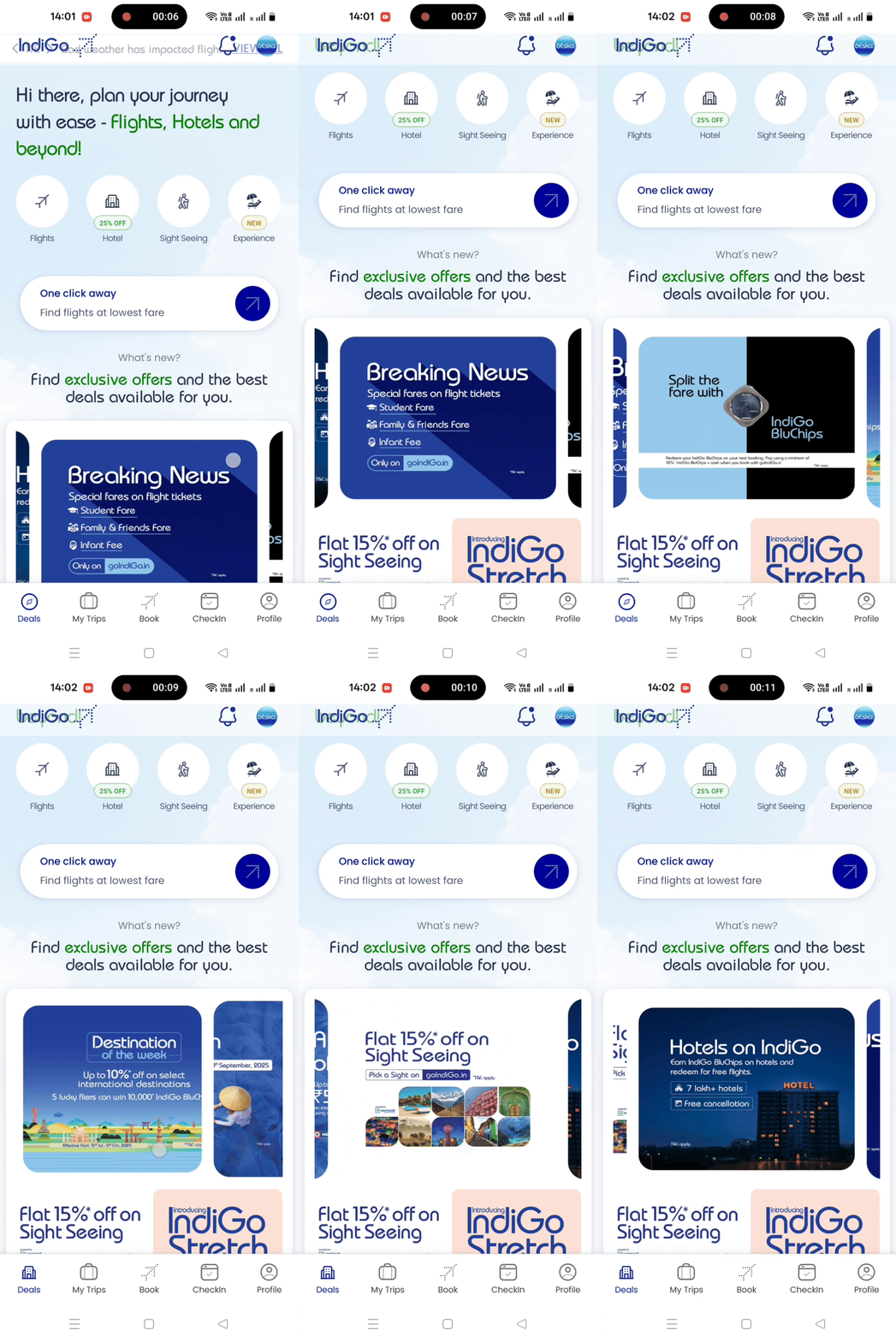
- IndiGo uses travel history and booking patterns to surface personalized upgrade offers and loyalty tier notifications at the moment of maximum relevance — right after check-in or during booking.
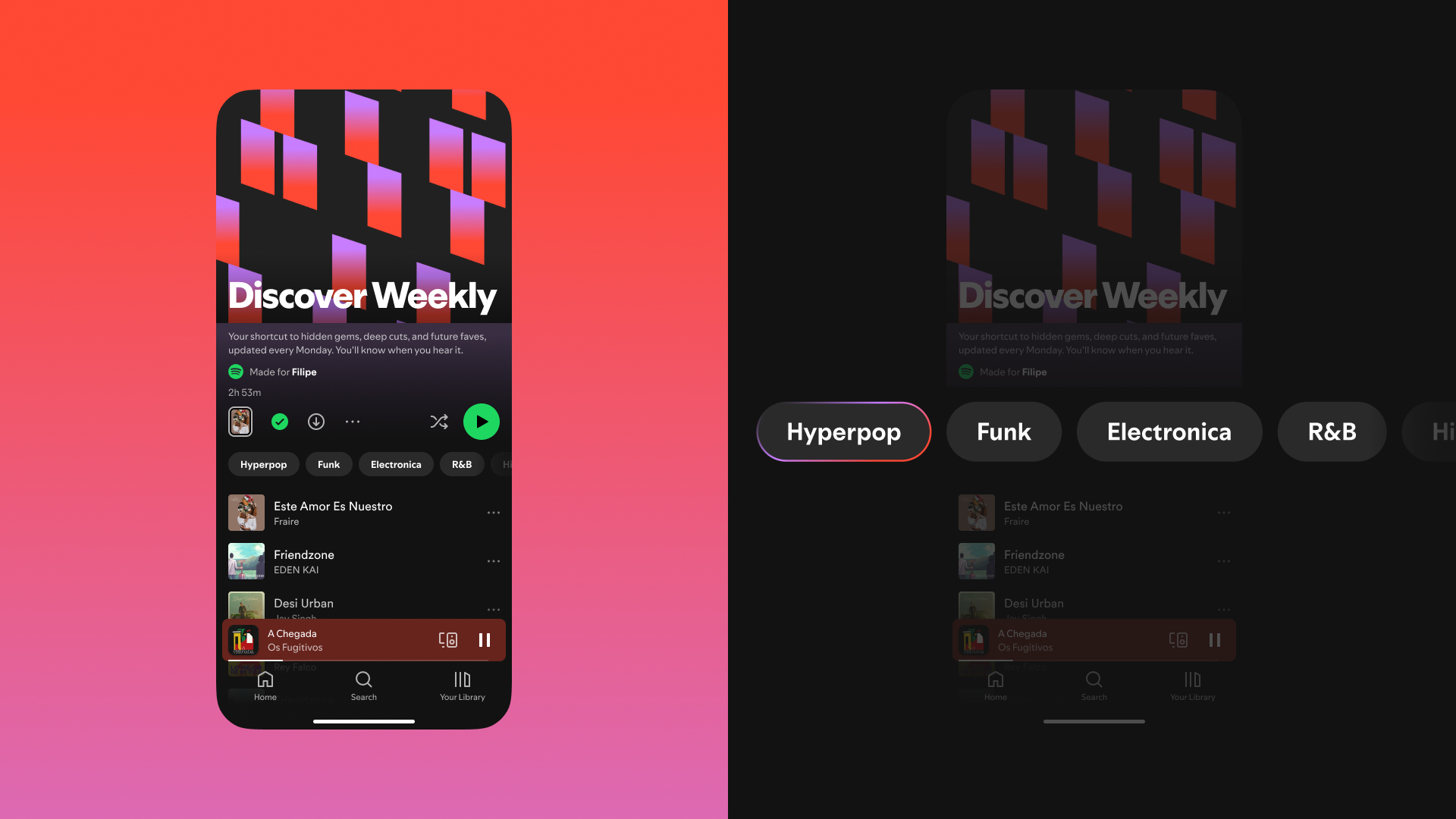
- Spotify Wrapped is the gold standard: it turns user data into shareable, emotionally resonant content that drives massive organic engagement every December.
The takeaway: Personalization isn’t a feature — it’s a philosophy. Every touchpoint should feel like it was designed for this user, not all users. The brands doing this well are building contextual engagement engines, not campaign blasters.
4. Multi-Channel Journeys, Not Isolated Touchpoints
The best loyalty strategies don’t live in a single channel. They orchestrate experiences across push notifications, in-app messages, email, and embedded widgets — adapting based on how the user responds.
What the Data Says
Multi-step journeys (sequences of 3+ coordinated touchpoints across channels) see a 40% completion rate, compared to ~12% for standalone push notifications and ~18% for single-trigger in-app messages. The compounding effect of contextual follow-ups drives dramatically higher conversion.
How Brands Use It
- Yum! Brands (KFC, Pizza Hut) runs cross-channel loyalty journeys: an in-app reward notification on Day 1, a push reminder on Day 3 if unclaimed, and a personalized email with expiry urgency on Day 5. This cascading approach recovers 30-40% of users who would otherwise ignore a single touchpoint.
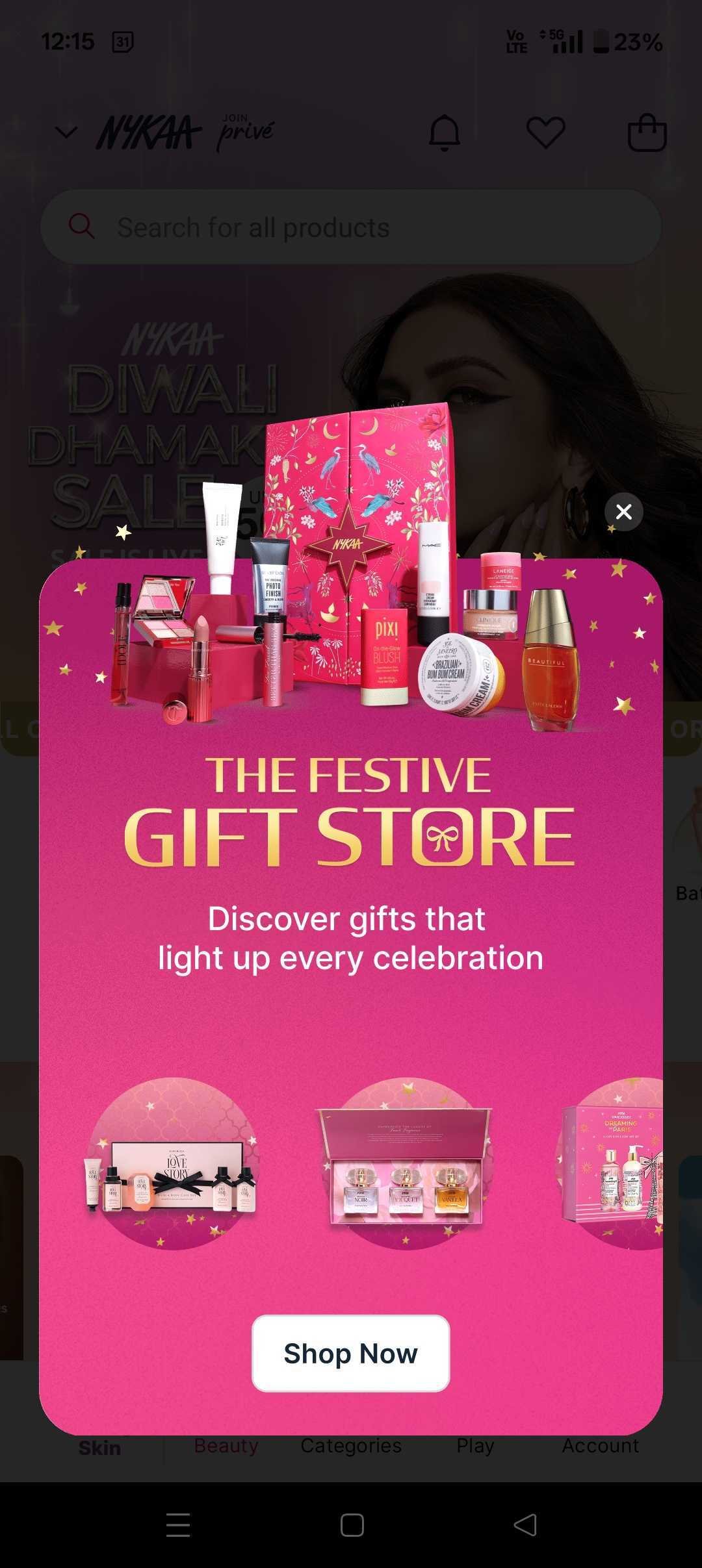
- Nykaa combines in-app stories, bottom-sheet offers, and push notifications in coordinated sequences tied to sale events, beauty launches, and loyalty tier upgrades.
The takeaway: Isolated campaigns compete with each other. Journeys build on each other. The shift from “send a push” to “design a journey” is the single biggest unlock for loyalty teams in 2026.
5. Zero-Party Data as the Loyalty Foundation
With third-party cookies disappearing and ATT opt-in rates hovering around 25%, brands that build direct data relationships with users have an unfair advantage. Zero-party data — information users voluntarily share through surveys, preference centers, and interactive experiences — is becoming the foundation of effective loyalty.
What the Data Says
In-app surveys with well-designed UX see completion rates of 40-55%, far above the 10-15% typical of email surveys. When survey responses are used to immediately personalize the subsequent experience (e.g., asking a user’s cuisine preference and then showing relevant restaurant recommendations), retention lifts of 20-30% are common.
How Brands Use It
- Nykaa uses beauty quizzes and skin-type surveys to build preference profiles, then uses those profiles to personalize product recommendations and loyalty rewards.
- Duolingo constantly collects feedback through micro-surveys embedded in the learning flow, using responses to adjust difficulty and content — which directly drives streak maintenance and retention.

The takeaway: Don’t just ask users for data — show them the value of sharing it. The best zero-party data strategies create an immediate, visible feedback loop: “You told us X, so here’s Y.”
The Loyalty Playbook for 2026
The brands winning at loyalty share a common pattern: they treat engagement as a product problem, not a marketing problem.
They invest in:
- Habit loops (streaks, milestones) over one-time promotions
- Contextual personalization over batch-and-blast campaigns
- Multi-channel journeys over isolated touchpoints
- Interactive data collection over passive tracking
- Gamified rewards over flat discounts
The technology to execute all five of these strategies now exists without requiring an app release for every new campaign. The bottleneck isn’t the tool — it’s the mindset shift from acquisition-first to retention-first.
The brands that make that shift in 2026 will own their categories by 2027.
Ready to build loyalty strategies that actually stick? Book a demo to see how Plotline helps consumer apps drive retention with gamification, personalized nudges, and no-code journeys — without engineering effort.
